The Composers Who Outlasted the Shows: How Anime Music Became Its Own Industry
Here's a question worth sitting with: when was the last time you rewatched a full anime series just because you heard one of its songs? Maybe it was the opening notes of Attack on Titan's "Vogel im Käfig," or Yoko Kanno's layered orchestration drifting through a Cowboy Bebop episode you've already seen a dozen times. The show pulled you back in — but the music opened the door.
That emotional leverage? It's worth a lot of money. And increasingly, it's worth more money than the anime it came from.
Streaming Pays Peanuts. Concerts Don't.
Anime streaming rights have always been a complicated business. Licensing deals between Japanese studios and platforms like Crunchyroll or Netflix tend to favor the platform, especially for older or mid-tier titles. The revenue that trickles back to a production committee — the group of investors that typically funds an anime — can be surprisingly thin once everyone takes their cut.
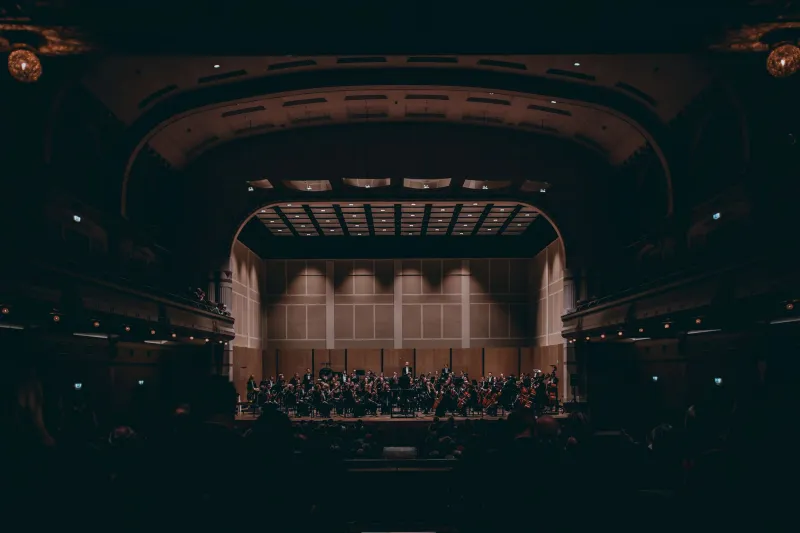
Music operates on a completely different model. When Hiroyuki Sawano announces a live orchestral tour, tickets sell out in hours. His NHC concerts in Japan have drawn tens of thousands of attendees across multiple nights, with premium ticket tiers, exclusive merchandise, and physical media sales stacked on top. A single successful tour can generate more direct revenue than a year's worth of streaming royalties for the show that made his name recognizable in the first place.
Vinyl is doing its part too. The resurgence of record culture in the US has created a genuine appetite for anime soundtrack pressings. Limited-edition releases from labels like Ennio or dedicated Japanese import shops routinely sell out within minutes of dropping, with secondhand copies flipping on Discogs for two or three times retail. Collectors aren't just fans — they're investors, and the market knows it.
Yoko Kanno Doesn't Need a Show to Stay Relevant
If there's one composer who illustrates this shift most clearly, it's Yoko Kanno. Her work spans Ghost in the Shell: Stand Alone Complex, Macross Plus, Wolf's Rain, and of course Cowboy Bebop — a catalog that reads like a hall of fame ballot. But what's remarkable is that her cultural footprint has grown independently of whether those franchises are actively airing.
Kanno composes for live events, collaborates with artists outside the anime world, and maintains a following that treats her discography the way Western music fans treat a legacy rock band's back catalog. Her name on a project functions as a signal of quality — and increasingly, a financial guarantee. Studios have begun factoring in the music licensing upside when pitching productions, knowing that a high-profile composer attachment can unlock revenue streams that have nothing to do with episode counts or sequel renewals.
That's a meaningful shift in creative leverage. When a composer's soundtrack can outlast and outperform the show itself, they stop being a service provider and start being a co-investor with real negotiating power.
The Sync Deal Frontier
There's another revenue layer that doesn't get talked about enough in anime fan circles: sync licensing. This is the business of placing music in commercials, films, TV shows, trailers, and video games — and it's where Japanese composers are starting to make serious inroads in the American market.
Sawano's compositions have shown up in gaming trailers and esports broadcast packages. Kanno's work has been referenced and sampled in ways that generate ongoing royalty income. As Western creators increasingly pull from anime's aesthetic vocabulary — see the explosion of "anime-inspired" visual styles in everything from Nike ads to animated Netflix originals — the demand for music that carries that same emotional texture is growing.
Sync deals can be extraordinarily lucrative. A single placement in a major film trailer or a Super Bowl commercial can pay more than an entire season of streaming royalties. And unlike streaming, where the platform controls distribution, sync income flows directly to rights holders. Composers who own their masters — or have negotiated favorable deals — are positioned to benefit enormously.
What This Means for How Anime Gets Made
The financial weight shifting toward music has some interesting downstream effects on production itself. If a composer's soundtrack is a bankable asset, studios have stronger incentive to give composers creative latitude and longer lead times. Music that feels rushed or generic doesn't sell concert tickets or move vinyl. The economics now actively reward quality.
There's also a conversation happening — quietly, mostly in industry circles — about whether music revenue should be factored into production committee structures from the start. Right now, most anime is funded through a consortium model where publishers, toy companies, streaming platforms, and other stakeholders each own a slice. Music rights are typically handled separately. But as soundtrack revenue grows, some are arguing composers deserve a seat at the funding table rather than a work-for-hire arrangement.
For American fans, this matters because it affects what gets made and how. A production model that values music as a primary revenue driver is more likely to greenlight projects with ambitious, distinctive soundscapes — the kind that become cultural touchstones rather than background noise.
The Fan Economy Closes the Loop
One thing the numbers don't fully capture is how deeply American anime fans participate in this economy. Fan-organized concert screenings, import record hauls shared on Reddit, Spotify playlist curation that treats Sawano's discography like a genre unto itself — all of this sustains and amplifies the market for anime music in ways that are hard to quantify but impossible to ignore.
When a US-based orchestra performs a Studio Ghibli concert night and sells out a 3,000-seat venue in under a day, that's not just nostalgia. That's a demonstration of purchasing power that the industry is paying close attention to. Live Nation and other major promoters have noticed. Booking agents are starting to include anime composer tours in conversations that would have previously been reserved for classical crossover acts.
The music was always the emotional core of why anime hit so hard. It turns out it was also the most durable part of the business — and the composers who understood that early are now running the table.
Next time a show you love gets canceled after one season, don't just mourn the story. Check if the soundtrack got a vinyl pressing. Chances are, that's the part that's going to be around in twenty years.