Onigiri Ambitions: How the Japanese Convenience Store Became an American Teen Dream
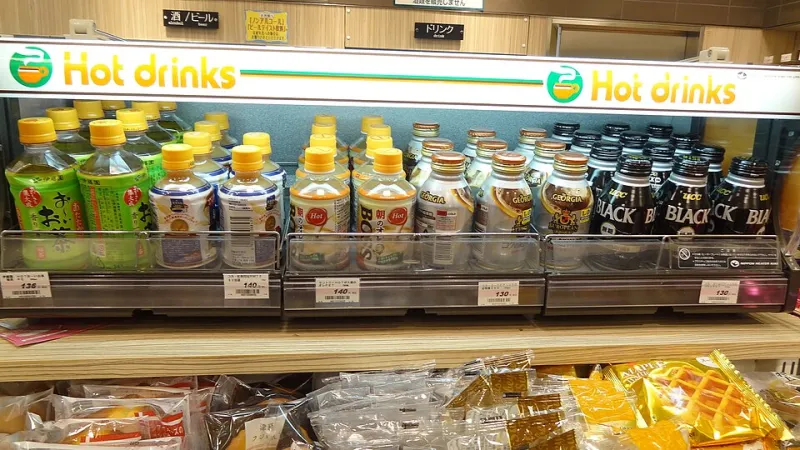
Photo: Martin Lewison, CC BY-SA 2.0, via Wikimedia Commons
Watch enough anime and you start to notice a pattern. Before the confession scene, there's a convenience store run. Before the study montage, someone's grabbing instant noodles at midnight. The Japanese konbini — 7-Eleven, Lawson, FamilyMart — shows up so constantly in anime and manga that it functions as a character itself: warm light in a dark parking lot, shelves of neatly wrapped rice balls, the quiet promise that you're never truly alone at 2 AM.
American audiences absorbed all of this without ever setting foot in one. And now, thanks to TikTok, they want in.
The Snack Haul Heard Round the World
The current konbini wave didn't start with anime alone — it started with videos. Travel vloggers walking through a Tokyo 7-Eleven rack up millions of views by pointing at things: the egg sandwich so soft it's practically custard, the onigiri wrapped in clever plastic that tears the seaweed seal for maximum crunch, the pudding cups, the melon pan, the bizarre and wonderful chip flavors.
The algorithm did the rest. Import snack subscription boxes exploded. Asian grocery stores in the US started seeing demand for products they'd quietly stocked for years. And 'Japanese candy haul' became its own content genre, complete with teens rating everything on camera.
Anime Taught Us to Crave It
Here's where the pop culture feedback loop kicks in. Fans who'd spent years watching characters eat konbini fried chicken or chug melon soda suddenly had a name for the food they were seeing in haul videos. The emotional association was already there — the konbini in anime is a place of comfort, of small kindnesses, of late-night heart-to-hearts.
So when an American fan finally tries a real onigiri, they're not just tasting rice and nori. They're tasting the show. That's a powerful thing, and marketers figured it out fast.
America Builds Its Own Konbini
The most interesting development might be what's happening stateside. Convenience store chains in the US have started upgrading their food programs with Japanese sensibilities — better onigiri, matcha drinks, mochi in the refrigerated case. Some independent shops in cities like LA, Seattle, and Austin have opened with the explicit goal of recreating the Tokyo konbini experience, right down to the fluorescent brightness and the egg sando.
It's worth being honest about the gap. A Japanese konbini isn't just a product lineup — it's a logistics marvel, restocked multiple times a day, embedded in a society where it genuinely functions as neighborhood infrastructure. No American 'konbini-inspired' shop is going to replicate that.
But they don't have to. What they can replicate is the feeling: affordable, well-made food, available without fuss, eaten on a curb or at a counter at whatever hour your life demands.
Try This at Home
You don't need a trip to Tokyo to get started. Most US cities have an Asian grocery with the essentials: instant ramen worth upgrading, furikake seasoning, canned coffee, and — if you're lucky — actual onigiri in the fridge case. Wrap a rice ball yourself, crack open a melon-flavored soda, and put on your favorite slice-of-life series.
Congratulations. You've built a tiny piece of the konbini dream in your own kitchen.