No English Patch? No Problem: The Japanese Games with Die-Hard American Fans Who Never Needed One
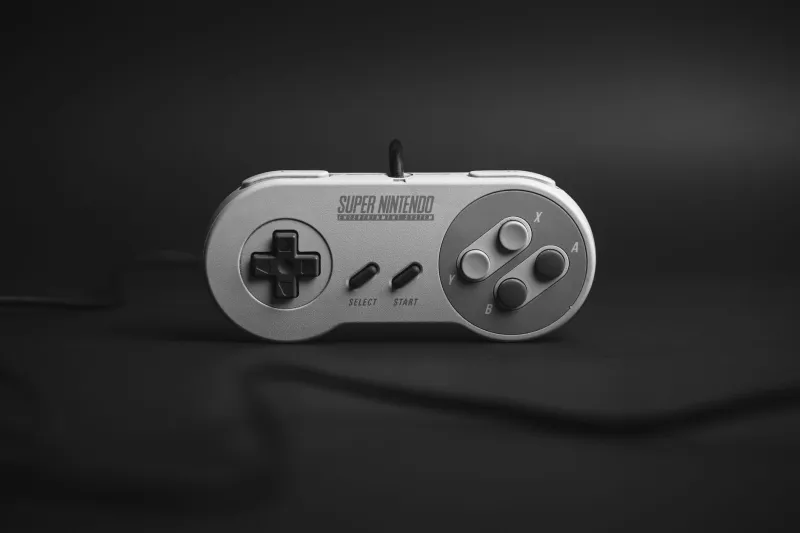
Somewhere in the American Midwest, a guy named Derek has logged over 400 hours in a Super Famicom RPG that was never sold outside Japan. He doesn't speak Japanese. He's playing through a fan translation that a small team of volunteers finished in 2019, after working on it for the better part of a decade. Derek found the patch on a forum thread from 2011, applied it to a ROM on a Tuesday night out of mild curiosity, and didn't come up for air until the following Sunday. He's not unusual. He's practically a cliché within a very specific, very dedicated corner of gaming culture.
Japanese games that never made the official trip westward represent one of gaming's great unexplored territories for American players — and the communities that have grown up around fan translations and emulation are doing something genuinely remarkable: preserving interactive art that publishers have largely abandoned.
The Graveyard at the Border
For every Final Fantasy or Street Fighter that crossed the Pacific and became a household name, there are dozens of titles that simply never made the journey. Some were deemed too niche for Western markets. Some were too text-heavy, too expensive to localize, too tied to Japanese cultural references that publishers assumed wouldn't translate. Some were just released at the wrong moment, when the window for that console generation had already slammed shut.
The Super Famicom era alone is a treasure chest of untranslated experiences. Treasure Hunter G, a gorgeous turn-based RPG from Square. Shin Megami Tensei II, the sequel to a franchise that only gained Western traction years later. Ys IV: Mask of the Sun, part of a beloved action-RPG series whose Western fans didn't get to play this entry for decades. These aren't obscure experiments — they're polished, ambitious games that simply fell through the cracks of international distribution.
The same story plays out across platforms. The PC-98 computer, a Japanese home computing standard from the late '80s and '90s, hosts an enormous library of visual novels and adventure games — many of them formative works by developers who later became legends — that exist in an English-speaking vacuum unless fan translators intervene.
The People Doing the Work
Fan translation is not a casual hobby. A serious project — particularly for a text-heavy RPG or visual novel — can take years and require a team with skills ranging from Japanese language proficiency to assembly-level programming knowledge. Translators handle the language. Hackers crack open the game's code to figure out where text is stored and how to replace it. Editors polish the results into something that reads naturally in English. Playtesters comb through the finished product looking for bugs, broken dialogue, and formatting disasters.
ROMhacking.net, which serves as a central archive and community hub for this work, hosts thousands of completed and in-progress patches. For many titles, it's the only reason an English-speaking audience exists at all. Discord servers have become the new coordination layer, with dedicated channels for each project phase and communities that sometimes outlast the games themselves.
The motivations are usually pretty simple when you ask the people involved. They loved a game, or loved a developer's other work, or stumbled onto a partial translation that someone abandoned and couldn't stand the idea of leaving it unfinished. There's a preservation ethic running through these communities that feels genuinely important — a recognition that games are cultural artifacts worth protecting, even when their original publishers have moved on or dissolved entirely.
The Legal Gray Area Nobody Loves Talking About
Here's the uncomfortable part, and it's worth being straight about it: fan translations and the emulation they typically require exist in legal territory that's murky at best. ROMs — digital copies of game cartridges — are generally considered infringing copies under copyright law, even when the original game is decades old and commercially unavailable. Publishers retain their copyrights regardless of whether they're actively selling a product.
In practice, enforcement against fan translation projects is rare but not unheard of. Nintendo in particular has a reputation for aggressive takedowns, which has occasionally caught fan translation projects in the crossfire. The community has developed a culture of caution around this: patches are typically distributed separately from the ROMs themselves, requiring users to source the original game data independently.
The ethical argument that many fans make — that these translations serve works that publishers have effectively abandoned, preserving them for audiences who would otherwise never access them — doesn't have a clean legal answer. But it's an argument that carries genuine weight when you're talking about a 30-year-old Super Famicom game with no current commercial release.
Hidden Gems Worth Your Attention
If you're curious about diving in, the community's recommendations tend to cluster around a few standout titles. Policenauts, Hideo Kojima's pre-Metal Gear adventure game, received a legendary fan translation that's widely considered as polished as any official localization. Mother 3, the beloved GBA sequel that Nintendo has never officially brought west despite years of fan demand, has a fan translation so well-regarded that it's become the definitive way most American fans experience the game.
For visual novel fans, the PC-98 library is a goldmine. Early Touhou games, pre-franchise works by key visual novel developers, and adventure games that directly influenced the medium's evolution are all accessible through dedicated translation projects.
Reddit communities like r/translator and platform-specific retro gaming subreddits are good starting points for finding active projects and community recommendations. The people in these spaces are usually enthusiastic about helping newcomers navigate the landscape.
Why It Matters Beyond Nostalgia
There's a version of this story that frames fan translation as pure nostalgia — older gamers chasing the games of their youth, or enthusiasts completing a collection. But that framing misses something. Many of the Americans playing these games are discovering them for the first time, often decades after release, because a passionate volunteer decided a great game deserved an audience.
That's a genuinely beautiful thing about gaming culture at its best: the work of preservation and access often falls to the fans, and the fans show up. The Japanese games with secret American fanbases aren't secret because they're not good enough. They're secret because geography and commerce created a wall — and a bunch of dedicated people decided to quietly knock a door through it.