Hold the Matcha: What We Lose When Japanese Flavor Becomes an American Trend
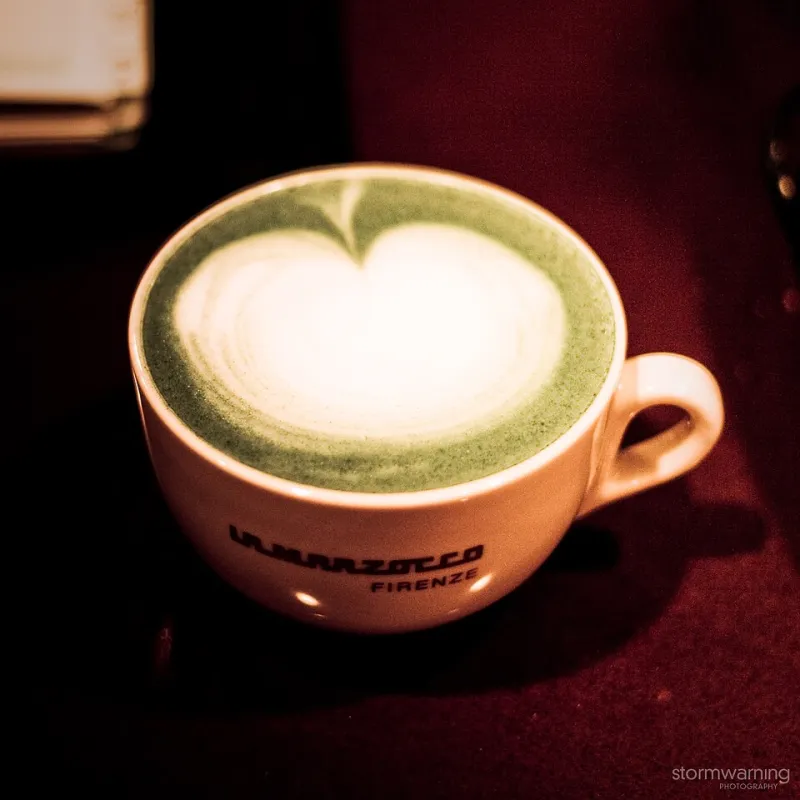
Photo: Jeff Nelson, CC BY-SA 2.0, via Wikimedia Commons
Let's start with an uncomfortable fact: there is currently a global matcha shortage, and American demand is a big part of the reason. Ceremonial-grade matcha — the good stuff, ground from shade-grown leaves in Uji or Nishio — is being blended into lattes, whipped into cold foam, and folded into pastries at a rate the tea farmers of Kyoto never anticipated and frankly can't keep up with.
The appetite isn't the problem. Appetite is how cultures meet. The problem is what happens to the thing itself on the way through.
'Japanese-Style,' Made Nowhere Near Japan
Walk any American grocery aisle and you'll find products wearing Japan like a costume. 'Japanese-style' sauces blended in California. 'Sake' made in Wisconsin from table rice. Matcha-flavored everything where the matcha content is mostly marketing.
None of this is illegal, and some of it is even tasty. But the label does real work here. When 'Japanese-style' becomes a flavor instead of a tradition, the word stops pointing at anything — and consumers stop being able to tell the difference between a centuries-old craft and a seasoning packet.
Importers I've spoken with describe a recurring frustration: customers who've decided sake is 'harsh' or matcha is 'bitter' because their only exposure was a bad imitation. The genuine article — sake brewed with rice polished to half its size, matcha whisked properly into a foam — never got a fair trial.
What Actually Travels Well
Here's the more hopeful half of the story, because it's not all dilution. Some things cross the ocean intact and even improve in context.
Sake itself is having a genuine moment. American sommeliers now pair it with everything from sushi to fried chicken, and quality importers have made truly excellent junmai available at reasonable prices. The cuisine itself travels beautifully when the people making it are given room to do it right — and the Japanese restaurants thriving in American cities, run by Japanese chefs or simply run well, prove that authenticity isn't a museum piece. It's a standard.
Even the matcha boom has a bright side: it's sending money and attention to tea farmers whose craft was quietly endangered a generation ago, when Japanese drinkers themselves drifted toward coffee. The shortage is painful, but the audience is real.
Appreciation Without the Shortcuts
So where's the line between loving a culture and flattening it? Honestly, it's simpler than the discourse makes it seem.
Read the label. If something says 'Japanese-style,' ask what that means. Buy from importers who name their breweries and their farms. Pay the extra two dollars for the matcha that actually comes from Uji instead of the bulk bin version, and you'll understand instantly why the real thing has a reputation. Order sake by the brewery, not by the pictures on the bottle.
And when you watch a manga character whisk tea in a quiet scene, or share a drink in an izakaya panel — that attention to detail, that respect for the object itself, is the actual cultural export. Everything else is just flavoring.
The best way to honor a cuisine is to taste it as it is. Japan has been exporting the real thing for decades. It turns out all we had to do was look past the label.